Monitoring Guides
The written half of the videos. Each guide covers the decision rather than the keystrokes - what problem the setup solves, what it buys you, and what it costs - so you can work out whether it is worth your weekend before you start. The video is the full walkthrough when you decide it is.
Passbolt Password Manager
Open-source, self-hosted, and running in Docker in minutes. The install, the recovery kit, sharing without WhatsApp, and what the cloud tiers really cost.
Garmin AI Coach
Garmin will not let anything read your own data. A local app that pulls it all down, puts real sports-science analytics over it, and runs a Claude coach on top - codebase included.
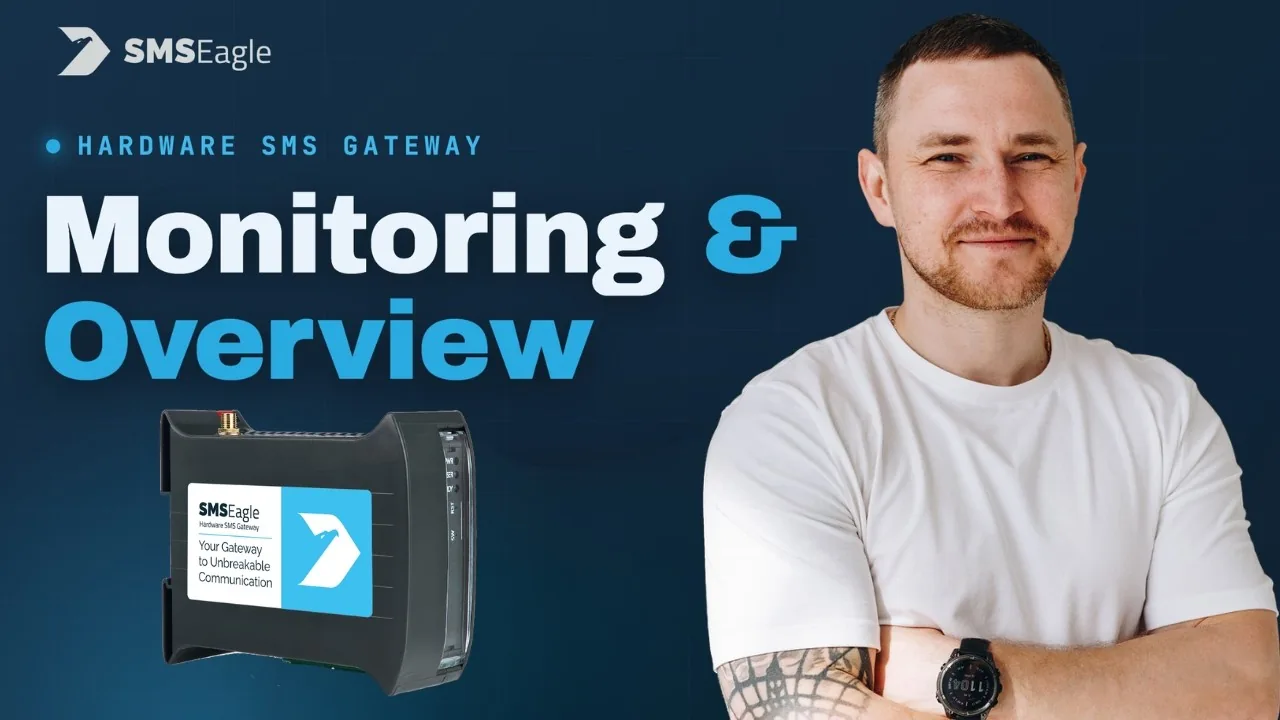
SMSEagle Monitoring
The device that carries your last-resort alerts is the one nothing watches. The initMAX template, the token scopes, and what its 31 items catch.
SMS and Voice Alerts
Zabbix has no built-in SMS notifier. The media type setup, and the two shipped defaults that are wrong for your device.
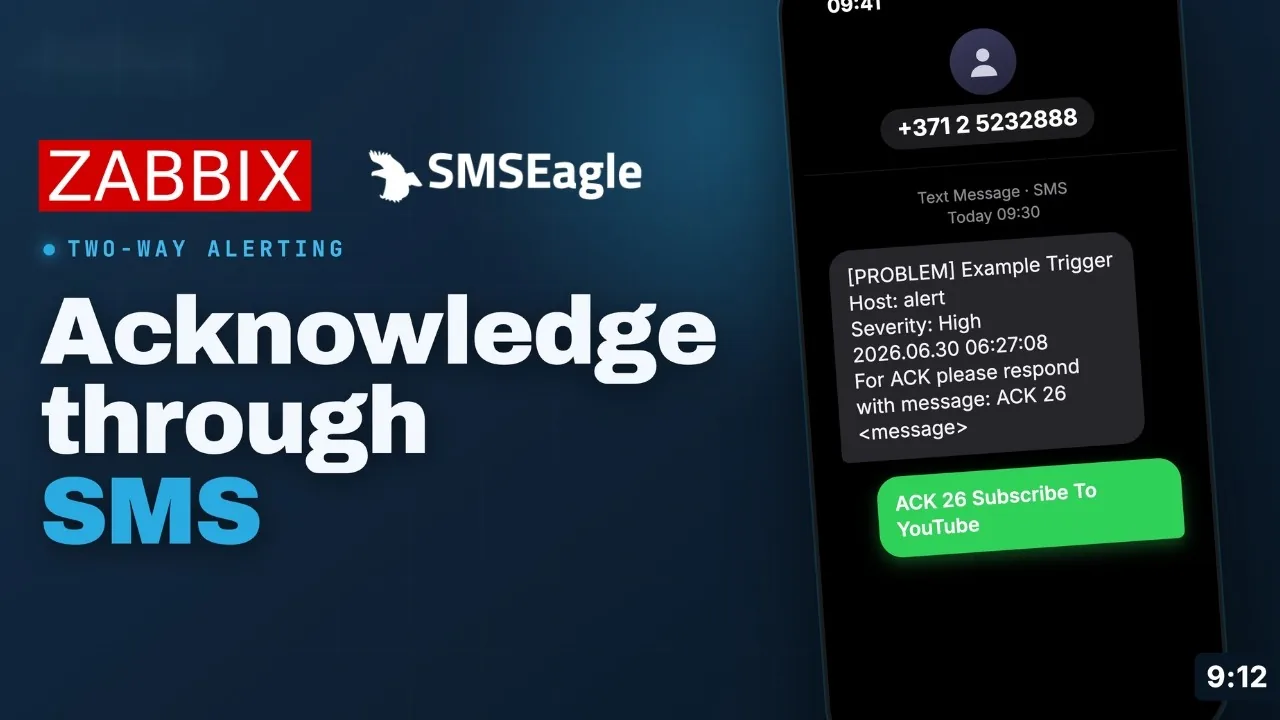
Acknowledge by SMS
Reply to the alert and the problem is acknowledged. The firmware floor that fails silently, and why the event ID is mandatory.
Adding a Host
A one-minute form with three decisions in it that are cheap now and expensive once you have hundreds of hosts.
Templates and Items
The one-line fix for a failed import, and why an item on a host instead of a template is a mistake you pay for once per host.

Grafana Champion
Four core contributions a year is the whole bar. What counts, the monthly commitment nobody mentions, and whether it is worth your time.
Website Monitoring
Check your site from three continents and let the Assistant build the dashboard. On the free tier, with the limits spelled out.
Grafana AI Assistant
It builds real dashboards from a sentence. It is also closed, metered, and routes self-hosted queries through the cloud.
PostgreSQL 18 Upgrade
pg_upgrade refuses to run against a TimescaleDB cluster until two things are true. One of them is new in PostgreSQL 18.

Claude Skills
Downloaded skills encode a stranger's preferences. The ones that work are extracted from a task you already do the long way.
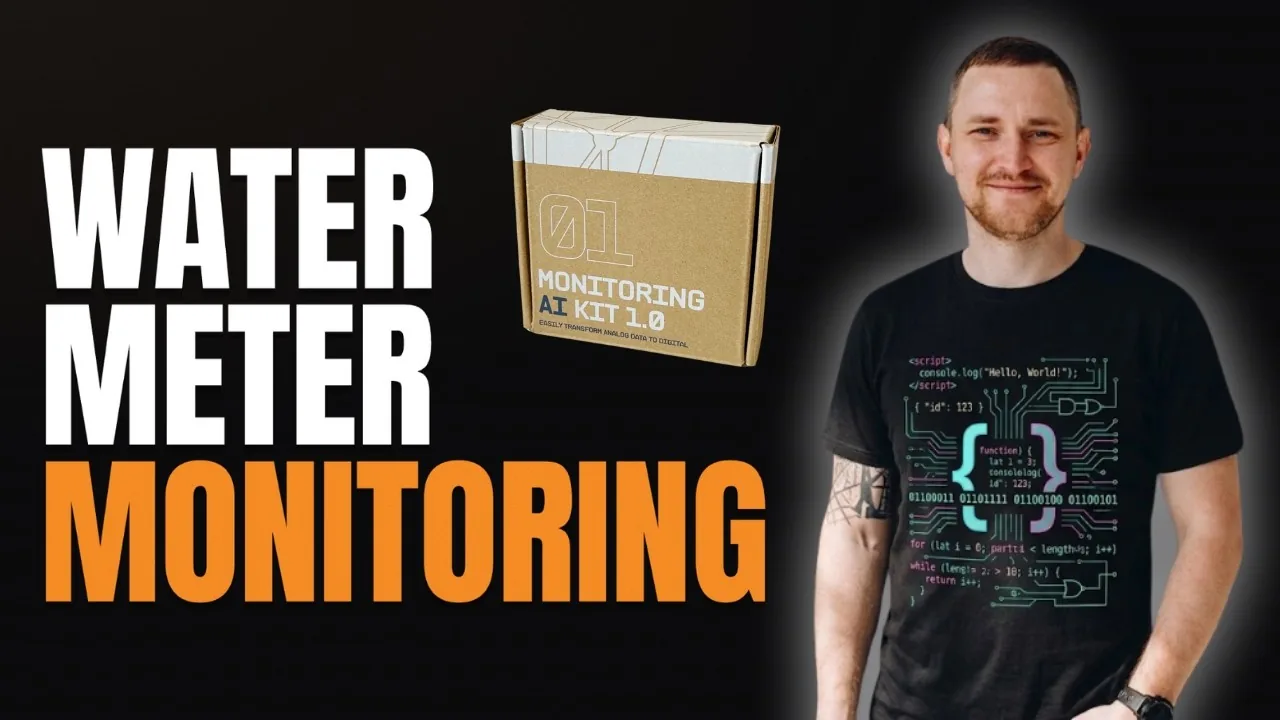
Water Meter Monitoring
An ESP32 camera reads the digits off an analogue meter and Zabbix polls the JSON. The full setup, the item chain, and the two failures that silence the whole host.
Zabbix Hardware Requirements
The official table gives one CPU figure per size band and no disk sizing at all. The arithmetic underneath it: items to NVPS, NVPS to hardware and terabytes.
Zabbix MCP Server
The whole Zabbix API in front of an AI assistant. Setup, the HTTPS trap, the 100k-token tool catalog, and how to scope it safely.
MySQL to PostgreSQL with TimescaleDB
Native partitioning and compression are the reason to move. What that actually saves you, and what the migration costs in downtime.
No guides on that topic yet - more are on the way.